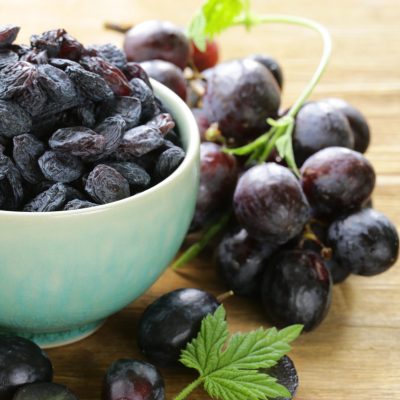
Grapes and raisins are highly toxic to dogs and can cause serious illness even in small amounts. The exact toxic substance is not fully understood, but ingestion can lead to sudden and severe kidney injury. Because sensitivity varies between individual dogs, any ingestion should be treated as a potential emergency. Seek veterinary care immediately if your dog has eaten grapes, raisins, or foods containing them (such as trail mix, baked goods, or cereal).
How it affects a pet:
Grapes and raisins can cause acute kidney injury, which may develop within 24 to 72 hours after ingestion. Some dogs may become ill shortly after eating them, while others may appear normal initially before kidney damage begins to develop.
Symptoms:
Vomiting, diarrhea, lethargy, decreased appetite, abdominal pain, dehydration, increased thirst, increased urination, and as kidney failure progresses, decreased or absent urination.
Sources: ASPCA Animal Poison Control Center, FDA, Merck Veterinary Manual
This is a substance found in many sugar-free foods, candies, gum, and beverages and even toothpaste. This is HIGHLY toxic to both dogs and cats. Symptoms can start as soon as 20 minutes after ingestion. Seek treatment right away.
How it affects a pet: Can lead to liver failure as it releases insulin and can cause hypoglycemia.
Symptoms: Vomiting, lethargy, loss of coordination, seizures, difficulty walking or standing, coma, bleeding problems, elevated liver enzymes and liver failure.


Chocolate is a common household toxin for dogs and can also be harmful to cats. The primary toxic compound in chocolate is theobromine, a stimulant that pets metabolize much more slowly than humans. Dark chocolate, baking chocolate, and cocoa powder contain the highest concentrations and are therefore the most dangerous. Even small amounts can cause illness depending on the type of chocolate, the amount ingested, and the size of the pet. Seek veterinary care right away if your pet has consumed chocolate.
How it affects a pet:
Chocolate contains theobromine and caffeine, compounds known as methylxanthines. These stimulants affect the gastrointestinal system, heart, and nervous system. Because dogs and cats cannot break down theobromine efficiently, toxic levels can build up in the body and lead to serious complications affecting the cardiovascular and neurological systems.
Symptoms:
Vomiting, diarrhea, restlessness, panting, increased thirst, elevated heart rate, tremors, hyperactivity, seizures, and in severe cases collapse or death.
Sources: ASPCA Animal Poison Control Center, FDA, Merck Veterinary Manual
These common plants are highly toxic to cats and can be toxic to dogs. Lily of the Valley, Gloriosa and the Flame Lilly are highly dangerous for both cats and dogs. Seek treatment right away.
How it affects a pet: Can lead to kidney failure within 24 to 72 hours leading to death if it’s not treated. Early treatment greatly improves the prognosis, but a delay of 18 or more hours may lead to irreversible kidney failure.
Symptoms: Decreased activity level, drooling, vomiting, and loss of appetite. Signs of kidney damage includes increased urination and dehydration.

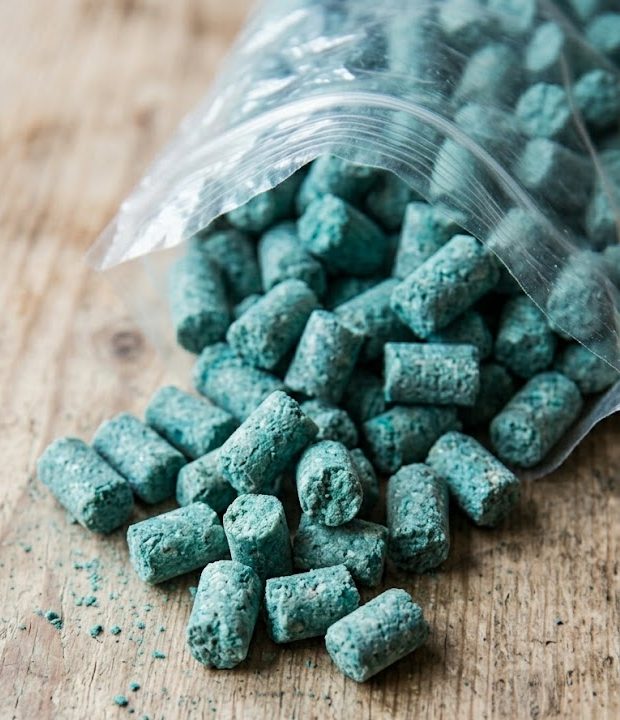
Rat and mouse poison can be made of several different ingredients. The most toxic ingredients include Long-Acting Anticoagulants (LAACS), Cholecalciferol (Vitamin D), Bromethalin, and Zinc and Aluminum Phosphides.
How it affects a pet: Rat and mouse bait works by preventing blood from clotting. Symptoms of Ingestion may not show up for several days.
Symptoms: Depending on the type of main ingredient in the rat/mouse bait, symptoms can vary.
Source: Pet Poison Helpline
Sago palms are popular ornamental plants found in homes and landscaping, but they are highly toxic to both dogs and cats. All parts of the plant are poisonous, but the seeds (nuts) contain the highest concentration of toxins and pose the greatest danger if ingested. Even a small amount can cause severe illness. Immediate veterinary treatment is critical if a pet is suspected of chewing or ingesting any part of a sago palm.
How it affects a pet:
Sago palms contain several toxic compounds, including cycasin, which can cause severe liver damage or liver failure. These toxins can also affect the gastrointestinal and nervous systems. Without rapid treatment, ingestion can be life-threatening.
Symptoms:
Vomiting (often one of the earliest signs), diarrhea, drooling, lethargy, loss of appetite, abdominal pain, bruising or bleeding problems, jaundice (yellowing of the skin or eyes), tremors, seizures, and signs of liver failure.
Sources: ASPCA Animal Poison Control Center, FDA, Merck Veterinary Manual

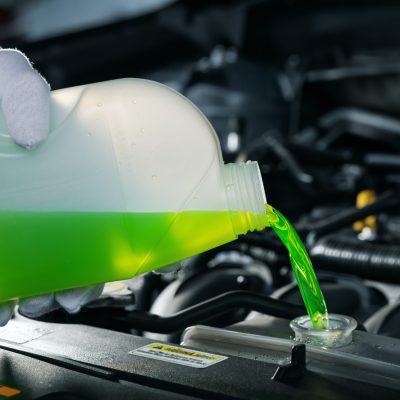
Antifreeze is extremely toxic to both dogs and cats, even in very small amounts. The main toxic ingredient, ethylene glycol, is commonly found in automotive antifreeze and engine coolant. Because it has a sweet taste, pets may willingly drink it if it is spilled on driveways, garage floors, or leaking from vehicles. Immediate veterinary treatment is critical, as toxicity can become life-threatening very quickly.
How it affects a pet:
Once ingested, ethylene glycol is rapidly absorbed and metabolized into toxic compounds that cause severe damage to the kidneys. Without rapid treatment, pets can develop acute kidney failure within 24–72 hours. Early treatment greatly improves the chance of survival.
Symptoms:
Early signs may appear within 30 minutes to several hours and can include vomiting, excessive thirst, increased urination, lethargy, and uncoordinated or “drunken” walking. As toxicity progresses, pets may develop rapid breathing, dehydration, seizures, decreased urination, and signs of kidney failure.
Sources: ASPCA Animal Poison Control Center, FDA, Merck Veterinary Manual
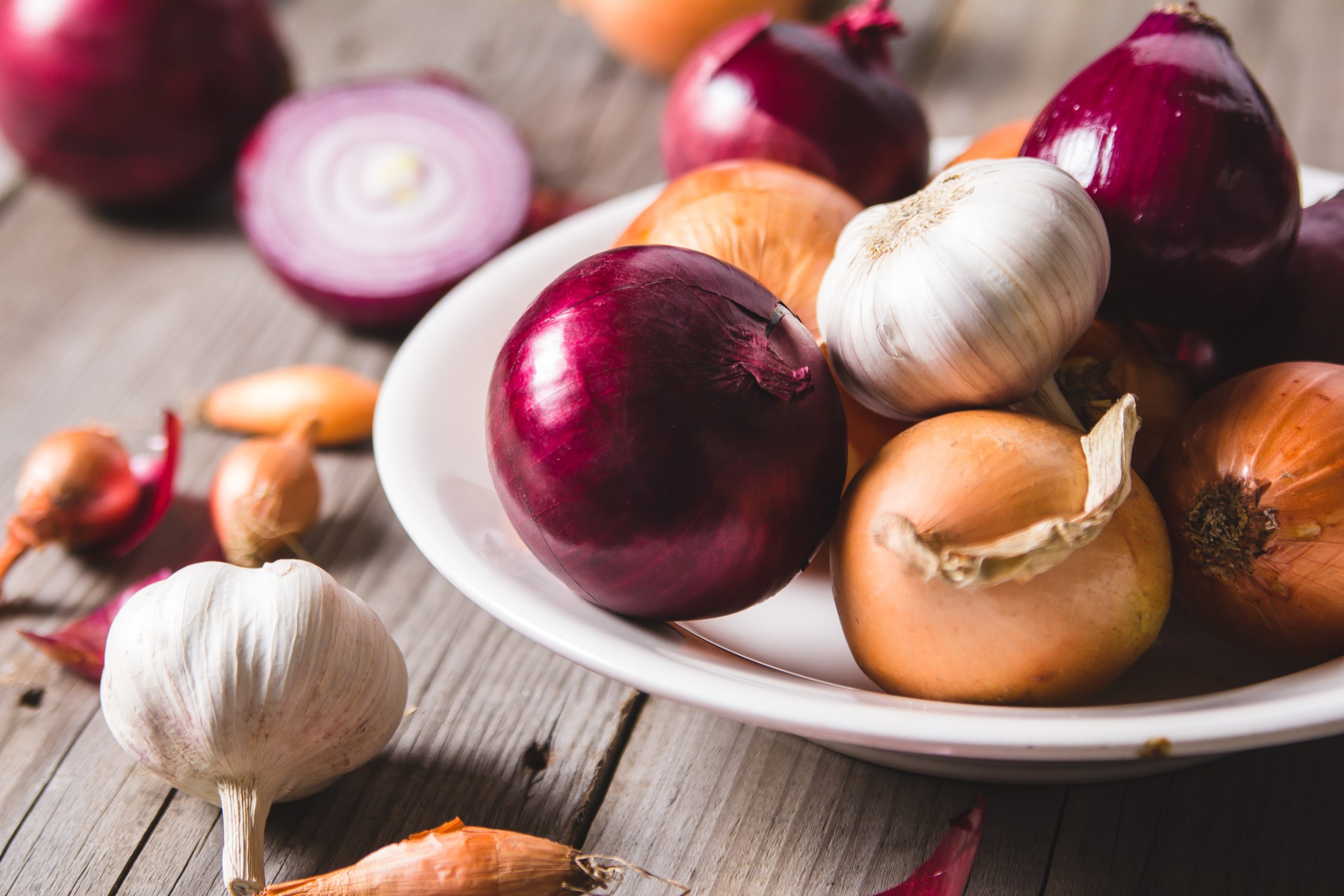
Onions, garlic, chives, and leeks belong to the Allium family and are toxic to both dogs and cats. These ingredients can be found in many foods, including raw vegetables, cooked dishes, powders, seasonings, and processed foods. Cats are generally more sensitive than dogs, but both species can develop serious illness depending on the amount consumed. Seek veterinary care if your pet has ingested a significant amount.
How it affects a pet:
Compounds in Allium plants can damage red blood cells, leading to hemolytic anemia. This condition reduces the blood’s ability to carry oxygen throughout the body. Toxicity may develop after a single large exposure or repeated small exposures over time.
Symptoms:
Vomiting, diarrhea, lethargy, weakness, decreased appetite, pale gums, rapid breathing, increased heart rate, and dark or reddish urine caused by red blood cell damage.
Sources: ASPCA Animal Poison Control Center, FDA, Merck Veterinary Manual

Albuterol inhalers are commonly used to treat asthma in people but can be very dangerous if chewed or punctured by pets, especially dogs. The inhaler canister contains a concentrated dose of medication, and if a pet bites into it, they may receive a large amount all at once. This can lead to severe symptoms and requires immediate veterinary care.
How it affects a pet:
Albuterol is a beta-2 adrenergic agonist that stimulates receptors in the body affecting the heart and muscles. In pets, large exposures can cause a dangerous drop in blood potassium levels (hypokalemia) and overstimulation of the heart. This can result in serious cardiovascular and neurological effects.
Symptoms:
Restlessness, panting, vomiting, weakness, rapid or irregular heart rate, muscle tremors, hyperactivity, collapse, and in severe cases seizures.
Sources: ASPCA Animal Poison Control Center, Pet Poison Helpline, Merck Veterinary Manual